
Integrated Trauma-Informed Somatics
For practitioners of any industry (and parents!)
First, you experience it in yourself.
Then, you learn to hold it for others.
Then, you learn how to teach it.
Then, you bring it to the work that already matters to you.
You already know it starts with the body.
And you know there’s more to trauma-informed work than what you’re currently doing.
You’ve felt how yoga or breathwork or your little daily walk around the block shifts things in your mind & in your spirit.
But when you’re sitting with a client, student, patient or child who is overwhelmed, shut down or struggling with something complex, suddenly it’s not so simple.
What do I actually do? Which practice? Is this the right time? What if I make things worse?
And so you stick with what you know. Or you freeze. Or you find yourself wishing you had more confidence bringing the body into the work you already do.
It’s okay! Don’t fret, just say a nice warm hello to Integrated Trauma-Informed Somatics.
The place where we learn somatic techniques, trauma-sensitive sequencing and the neuroscience that underpins it all.
But we also learn something much more important: knowing the right technique is only half the work.
Wha't’s much more powerful is who we are within the work. How you show up, how you build genuine relationships that can survive rupture, how to stay present when things get messy and how to trust yourself when nothing seems to be moving forwards.
And we don’t detach this from the work we already care about. Instead, we become leaders within it.

Honest Words from Jean the Nurse
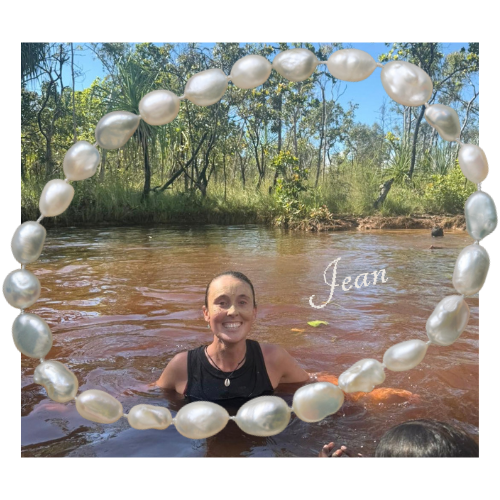
Brianna is an exceptional practitioner who truly practices what she preaches. She excels at translating complex topics into practical, hands-on training.
Before Brianna’s visit, I had no idea how important my nervous system was when interacting with survivors of trauma. She helped me understand the importance of co-regulation and finding ways to remain calm and regulated during de-escalation. This made a huge difference.
She also gave us an array of self-regulation techniques to use with the students and for ourselves. These exercises I use every day now with the kids.
Understanding the physical implications that trauma has on the human body was extremely eye-opening. Feeling the physical change during these exercises really helped us understand the impact this type of work can have on the people we work with.
Just saying …
Most trainings will teach you about trauma and the brain, the anatomy of the nervous system, and the window of tolerance — without teaching you what any of it actually means for the work you do.
So you leave with more information, but not necessarily more capacity. You know about trauma, but you don’t know how to apply that knowledge with discernment — what might help, what might be ineffective, and what might actually make things worse.
And so you keep doing things the way they’ve always been done, wondering why nothing is really shifting. Or you’re too scared to try something different because you’re not sure what you’ve learnt is actually safe to apply to the person in front of you.
Because yes, even box breathing can make things worse.

and also…
Most trainings focus on building knowledge or skills, without paying much attention to the person you are within the work.
But so much of this work happens in the spaces between the techniques.
~ In the moments when you don’t have an answer.
~ When your client wants you to move faster, but you know the work needs to slow down.
~ When you need to offer a compassionate truth rather than endlessly accommodate, because accommodation is no longer serving either of you.
~ When you need to be moved by the work — and appropriately unmoved by it, too.
When the relationship you’ve spent months or years building seems to unravel because of one wrong step, and you need to stay steady enough to repair rather than panic, retreat or overcorrect.
Because the way you are within the work matters much more than any technique.


༄.° Turning away from complexity → we’re embracing it, we love it! Plus, you know anyone trying to tell you that trauma work is simple has never done the real work.
༄.° Gathering more information without becoming more wise → we’ll learn it in our own bodies first
༄.° Chucking another certificate on our website and calling it a day → we care more about who we become within the work
༄.° Gaining a bag of somatic techniques with no idea when to use them → we’re building skilful, compassionate, trauma-informed discernment

What we are not doing here
This is a 12-week immersive training for any practitioner (social worker, nurse, teacher, yoga teacher, therapist, naturopath, nutritionist, mental health worker, support worker, bodyworker, counsellor) or parent who wants to integrate a trauma-informed somatic approach into their work.

What we are doing here
First, you experience it in yourself.
Then, you learn to hold it for others.
Then, you learn how to teach it.
Then, you bring it to the work that already matters to you.
1: PERSONAL EMBODIMENT
UNDERSTAND IT IN YOUR OWN BODY
You just can’t learn about somatics through theory alone — it’s something you must feel, track and practise. We begin together in person, then continue with a guided 12-week practice journey alongside the online classes, so the skills become lived knowledge, not just another set of tools.
BUILD A SOMATIC TOOLKIT YOU CAN DRAW ON
The practices you learn won’t only become tools for the people you work with. They’ll become resources you can return to in your own life and practice — to ground, regulate, restore, process and reconnect when the work is demanding. Because practitioners and parents need ways to care for and resource themselves, too.
2: THE TRAUMA-INFORMED PRACTITIONER
TRAUMA-INFORMED ISN’T A TITLE: ITS A WAY OF BEING
Trauma-informed practice is about more than what you do — it’s about who you are within the work. Explore presence, power, boundaries, relational safety, lived experience and self-awareness so your own way of being becomes a skilful part of the intervention.
LEARN TO STAY
Learn to recognise what happens in you when someone is activated, withdrawn, overwhelmed or dysregulated — and develop the capacity to remain present and responsive rather than rushing to fix, rescue or control. Build the steadiness to meet people where they are without abandoning yourself.
3: SOMATIC SKILLS + TEACHING
TURN SOMATIC THEORY INTO SOMETHING YOU CAN ACTUALLY DO
Go beyond the theory and learn the practical skills of trauma-informed somatic work: nervous system education, tracking, orienting, regulation, movement, interoception and trauma-sensitive sequencing. Understand not just what to do, but why, when and how.
LEARN TO TEACH THE BODY, NOT JUST TALK ABOUT IT
Develop the skills to guide somatic practices in ways that are accessible, choice-based and responsive to different nervous systems. Learn how to sequence experiences using trauma-informed principles so people can build capacity without becoming overwhelmed or pushed beyond what they can integrate.
4: WORKSHOPPING FOR YOUR INDUSTRY
ADAPT IT TO YOUR CONTEXT
A somatic approach can look very different in a school, clinical setting, community organisation, private practice, frontline environment or parenting. Bring your real-world scenarios into the training and workshop how to adapt the principles, language and practices so they fit the people and contexts you actually work with.
MAKE IT SIMPLE, MEANINGFUL + USEFUL
Learn how to introduce body-based practices in a way that feels accessible rather than overwhelming or overly clinical. You’ll practise sharing somatic tools as well as the neuro-education needed to make it land.
How It Works
WE START WITH AN IN-PERSON TRAINING RETREAT
At the glorious Krishna Village in the Northern Rivers. Here, you’ll be nestled among the foothills of sacred Wollumbin (Mount Warning), on quiet land, with all of your needs taken care of. Nourishing vegetarian food, yoga & meditation classes, sound healing and literal space to just be.
This kind of space for embodiment, learning & integration is what turns reading a training PDF into a way of being that is felt and lived. When you’re away from the mundane, your curiosity, imagination and openness to new ways of doing things comes (very) alive.
THEN, WE MEET ONLINE TOGETHER FOR 12 WEEKS
This part includes 11 x 2 hour workshops online each week (with a breather week halfway to let it all settle in). These sessions will cover the neuroscience, technicalities and theory, plus include plenty of space for questions. We will also hear from two guest speakers on using lived experience, practitioner+client dynamics and the role of skilled intuition within trauma-informed somatics. During these 12 weeks, we will also spend time workshopping a project or approach for your industry (or how to use the skills in parenting), so that once the training ends, you will feel like you have something ready to go for the people you serve.
BUT WE WON’T JUST LEARN IT
We’ll embody it. During the 12 weeks, you’ll embark on a guided-practice journey. This just means a short 10-15 minute practice focus per week. If you want to use trauma-informed somatics in your parenting or your work, you gotta be in the dance with it yourself - stay with it, love it, become challenged by it. This is how you build the capacity and confidence to teach and share it with others. Trauma-informed practitioners stay when things get uncomfy!
AND I’LL BE HERE WITH YOU, EVEN AFTER THE TRAINING ENDS
Once the training concludes, you’ll receive mentoring for 3 months. Here, you can bring your projects, your cases, your trials and tribulations and we’ll nut them out together so you can prance off into the sunset feeling more confident in who you are as a practitioner, parent and person.
Honest Words from Tiff the School Coordinator
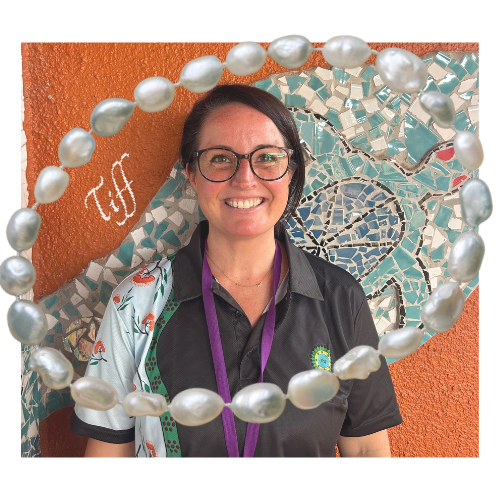
Brianna’s knowledge and delivery were exceptional, and she took the time to genuinely understand our school, staff, students and community.
Rather than simply delivering training, she immersed herself in school life and tailored her feedback to our unique context. Her calm, grounded approach helped us better understand trauma, the nervous system and how we can respond to students in more trauma-informed ways.
I would highly recommend Brianna’s training to anyone wanting to deepen their understanding and create more supportive, regulated environments for the people they work with.
Who this training is really for
AGITATORS WITH HEART WORKING WITHIN THE SYSTEM
Teachers, nurses, social workers and other practitioners who can see where the system isn’t working — and feel called to do things differently. Who want to challenge the status quo without losing their humanity, and learn how to create change from within the systems they’re a part of.
CREATIVE COACHES, THERAPISTS, YOGA TEACHERS & ENTREPENEURS
People who want to broaden the way they work and bring the body into their practice with confidence and integrity. Because whatever your work is, you’re working with people — and people have bodies. And you know somatics will give you another way to understand, connect, communicate and create change.
PARENTS DOING THINGS DIFFERENTLY
Parents who don’t want to simply follow the books or repeat what was done to them. Who want to trust themselves more, raise emotionally resilient children, and create relationships where vulnerability, repair and emotional honesty are welcome.

What we’re actually covering
-
Understand what trauma actually changes — and why the body responds the way it does.
In this module, we build the foundation for everything that follows. You’ll develop a nervous-system-based understanding of trauma so you can stop thinking about responses as “behaviour” to manage and start understanding what is happening underneath. You’ll learn:
➔ How trauma changes perception, prediction, attention, memory and nervous-system responses
➔ What happens in the brain and body when someone moves into protection, and why “knowing they’re safe” doesn’t always mean feeling safe
➔ How to distinguish between activation, protection, capacity and overwhelm, and the different nervous system states
➔ Why regulation isn’t about making someone calm — and what we are actually trying to support instead
➔ How to use neuroscience without reducing complex human experiences to nervous-system jargon or reductive labels
-
Learn how to work with the nervous system through the senses — and understand why the order matters.
Rather than throwing people straight into deep body-based practices or emotional processing, you’ll learn how to build safety and capacity progressively through the sensory systems. You’ll learn:
➔ How exteroception, vestibular/proprioception and interoception each influence regulation, orientation and embodiment
➔ Why some somatic practices can be deeply regulating for one person and overwhelming for another
➔ The principles of trauma-sensitive sequencing — and how to know what to introduce, when
➔ How to recognise when someone needs more grounding, more activation, more orientation or less intensity (and when grounding could make things worse)
➔ How to design practices that gradually expand capacity rather than accidentally pushing someone beyond it
-
Learn that trauma-informed practice isn’t just something you do. It’s something you bring into the room.
This module moves beyond techniques and into relationship: presence, co-regulation, power, choice, emotion and look at you as the practitioner. You’ll learn:
➔ How your own nervous system becomes part of the therapeutic environment
➔ The foundations of presence, attunement and co-regulation
➔ How to support emotional experiences without rushing to fix, soothe or shut them down
➔ Practical trauma-informed communication and emotion-coaching skills
➔ How to recognise what is happening within you while you are working with someone else
➔ How your own patterns, assumptions, urgency and protective responses can shape the work
-
Move beyond regulation into the deeper work of listening to what the body is communicating.
Here we get into the nitty gritty of somatic processing: tracking, dialogue, parts and working with embodied experience without imposing meaning onto it. You’ll learn:
➔ Practical somatic processing skills for working with sensations, impulses, emotions and memories
➔ How to facilitate a somatic dialogue rather than telling someone what their body “means”
➔ How parts language can create space for conflicting experiences, protective patterns and internal relationships
➔ How to stay curious when something unexpected emerges
➔ How to support processing without pushing for catharsis, disclosure or a particular outcome
-
Understand how lived experience enters the room — and learn to work with the relationship it creates.
Your lived experience will inevitably shape how you see, interpret and respond to the people you work with. Rather than pretending otherwise, we’ll develop the awareness to work with it consciously. You’ll learn:
➔ How your own history and experiences can influence what you notice, feel and assume
➔ The difference between resonance, projection, identification and genuine attunement
➔ How practitioner/client dynamics can activate both people within the relationship
➔ How to notice when your own nervous system is pulling you towards rescuing, withdrawing, fixing or controlling
➔ How to use self-awareness as a practitioner skill without making the client responsible for your internal process
-
In trauma-informed somatics, rest is an important part of the work itself. So, half way through we will pause & catch our breath before pressing forwards.
-
Build a practical somatic toolkit — and learn how to use it responsively rather than prescriptively.
We begin working deeply with specific practices, exploring what different forms of sensory and embodied experience can support. You’ll learn:
➔ Practices for rest, settling, safety and down-regulation
➔ How voice, movement and breath can influence nervous-system states
➔ How to offer choice within a practice so clients remain connected to agency
➔ How to modify practices according to the person in front of you
➔ How to track what is happening as a practice unfolds — rather than assuming the practice is “working”
-
Learn how to work with activation without creating overwhelm.
Trauma-informed somatics isn’t only about calming the nervous system. It is also about developing the capacity to move through activation, challenge and change. You’ll learn:
➔ Pendulation and titration as practical ways of working with intensity
➔ How to pause, slow down and interrupt escalation before someone moves beyond their capacity
➔ How to introduce intentional activation safely and purposefully
➔ How to support someone to experience activation without becoming consumed by it
➔ How resilience is built through small enough experiences of challenge, recovery and choice
-
Explore boundaries not just as something we communicate, but as something we can feel.
This module brings somatic work into one of the most relational areas of practice: boundaries. You’ll learn:
➔ How to explore the physical sensations, impulses and emotions associated with “yes”, “no”, “not yet” and “I don’t know”
➔ Somatic practices for developing boundary awareness and embodied agency
➔ How boundaries operate within the client/practitioner relationship
➔ How to work with boundaries between clients, parents, carers, colleagues and other systems
➔ How to support choice without turning “strong boundaries” into another thing someone feels they should be doing correctly
-
Don’t finish the training with a folder of techniques you never use. Build something that belongs in your actual work.
This is where we take everything you’ve learned and translate it into the context you already work within. You’ll:
➔ Bring your real-world role, population, setting or professional questions into the room
➔ Workshop how somatic principles can be integrated into the work you already do (or, to your parenting)
➔ Develop or refine a practice, session, program, resource or approach relevant to your industry (with individualised feedback from me!)
➔ Receive feedback and guidance from the group and facilitator
➔ Leave with something you can actually take back into your work — rather than having to figure out the application alone
-
Bring the structure, knowledge and intuition together — and develop your own way of practising.
This week we develop our own personal way of working. Not becoming a practitioner who follows a formula perfectly, but developing the discernment to respond to what is actually happening in front of you. You’ll explore:
➔ How to balance evidence, structure, intuition and responsiveness
➔ When to follow the plan — and when to listen to what is emerging
➔ How to develop your own somatic “eye” for what a person, group or situation needs
➔ What it means to practise with confidence without becoming overly certain
➔ How to continue developing your embodied practitioner identity beyond the training
-
This week will be intentionally left open so we can adapt it to what the group needs! Final questions, discussions, practices will be explored here.
-
Once the training concludes, you’ll receive mentoring for 3 months (3 × 90 minute sessions). Here, you can bring your projects, your cases, your trials and tribulations and we’ll nut them out together so you can prance off into the sunset feeling more confident in who you are as a practitioner, parent and person.
What would I know?
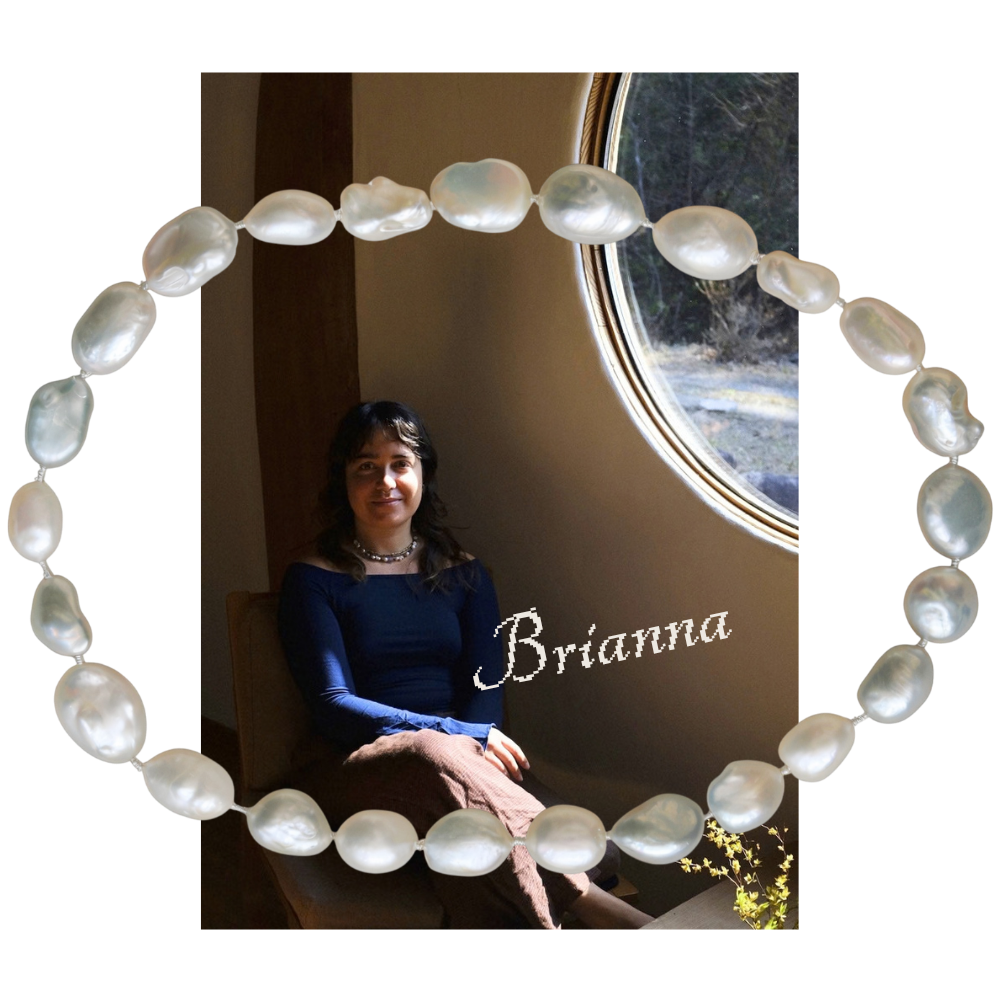
I’m a trauma-informed somatic practitioner and Trauma-Informed Practice Specialist with a background in complex trauma, mental health, counselling, criminology, case management and leadership.
I’ve spent the last decade working across frontline community services, schools, organisations and peak-body leadership — supporting people navigating complex trauma and mental health challenges, while also working at a systems level to shift the way we understand and respond to them.
I’m a qualified Counsellor, Somatic Stress Release Practitioner, Trauma Center Trauma-Sensitive Yoga (TCTSY) Facilitator and 650HR Yoga Teacher, and my practice also draws on Somatic Parts Work and EMDR. I’m particularly interested in where neuroscience, embodiment, relationship and the more intuitive or esoteric aspects of human experience meet.
But I’m not interested in making somatic work more complicated than it needs to be.
My approach is deeply grounded and pragmatic. I love the nuance, the mystery and the parts of this work that can’t always be neatly explained — but I also want to know: does it actually help? Can we explain why we’re doing it? Can we use it with real people, in real life, without the jargon and the fluff?
That balance is at the heart of how I teach.
My bespoke trauma-informed programs have been recognised through grants and awards for their innovation and contribution to the community, and I continue to work across 1:1 practice, professional training, schools, organisations, retreats and community programs.
And this work is personal for me, too. I’ve used somatic approaches to move through burnout, anxiety and the many layers of my own childhood trauma. I don’t teach this work from a distance — I teach from a lived, embodied relationship with it.
But it isn’t just me!
Meet your guest facilitators
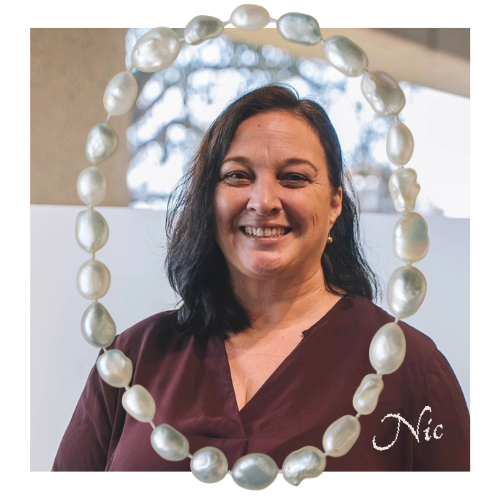
Nicole Yade is the CEO of the Women’s and Girls’ Emergency Centre. She has over 25 years experience leading, designing, and delivering services for marginalised people in the NGO sector.
Much of this work has involved working across cultures with traumatised populations, including extensive work with victim survivors of violence, refugees, and Aboriginal communities.
In 2024 Nicole was awarded the Chief Executive Women Not for Profit scholarship which enabled Nicole to attend Harvard University to study leadership development. In 2025, she was recognised as Burwood Citizen of the Year, the Committee for Sydney’s Unsung Hero at the Sydney Awards, and the Advocate of the Year in Marie Claire’s Women if the Year Awards.
Nicole holds a MA in Counselling and Psychotherapy and a Bachelor Arts with Honors in Anthropology from The University of Sydney. She has completed further studies in mental health, management and leadership. She is a proud feminist and victim survivor advocate.
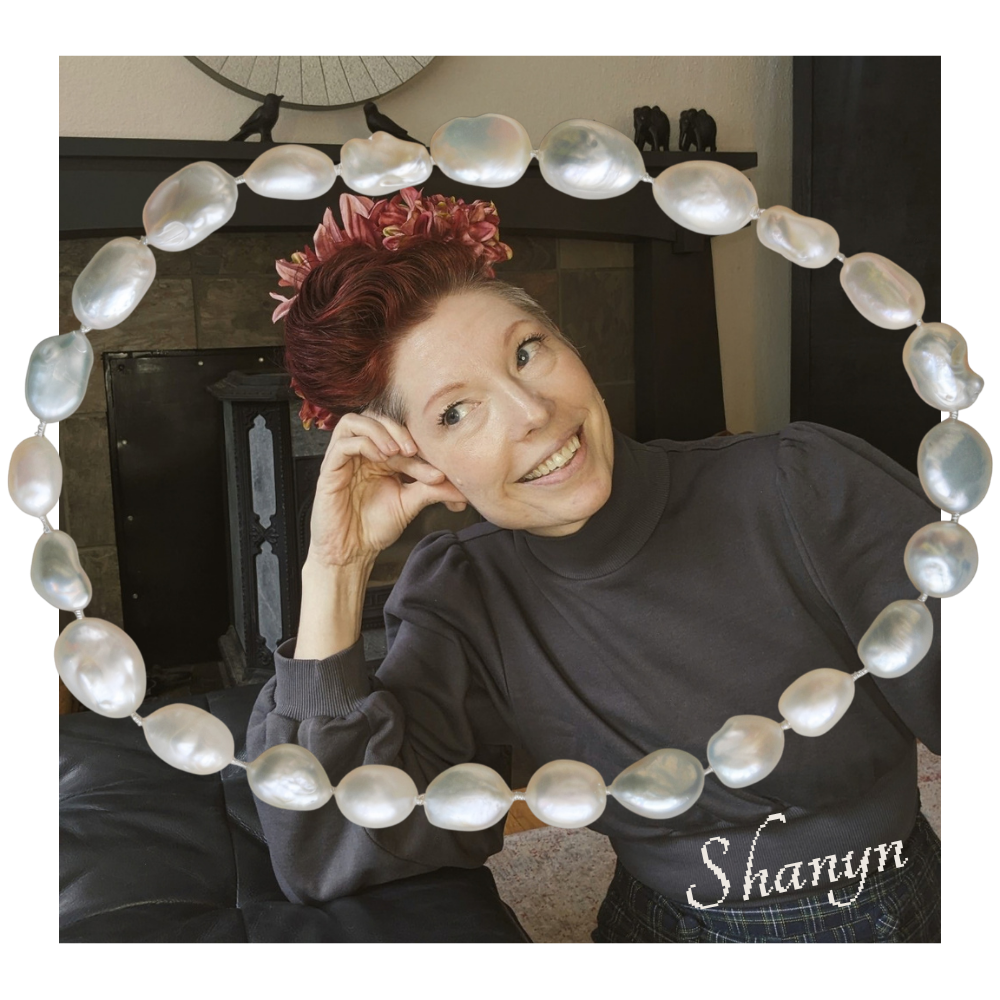
Shanyn Emerson is a somatic practitioner, transformation coach, holistic movement specialist, and highly empathic intuitive.
She lives in constant wonder and awe of our amazing organic, living, breathing human body and the radiant, illuminated soul within us. She holds deep reverence for each of the physical, emotional, and energetic parts of us and how they can all interact to come together for true and enduring healing.
Shanyn has an (extremely) extensive background of study ranging from the biomechanical to the energetic to the mystical and everything in between.
Shanyn mentors somatic practitioners around the globe to trust not just what they learnt within their certificate or course, but what their own body is guiding through sessions. Shanyn has taught me that intuition is not some elusive concept, but something you can grasp and develop. She’ll be teaching an Intuitive Edge workshop, that’ll support you to trust yourself, even in the most complex moments.
Honest Words from Ireland the Teacher
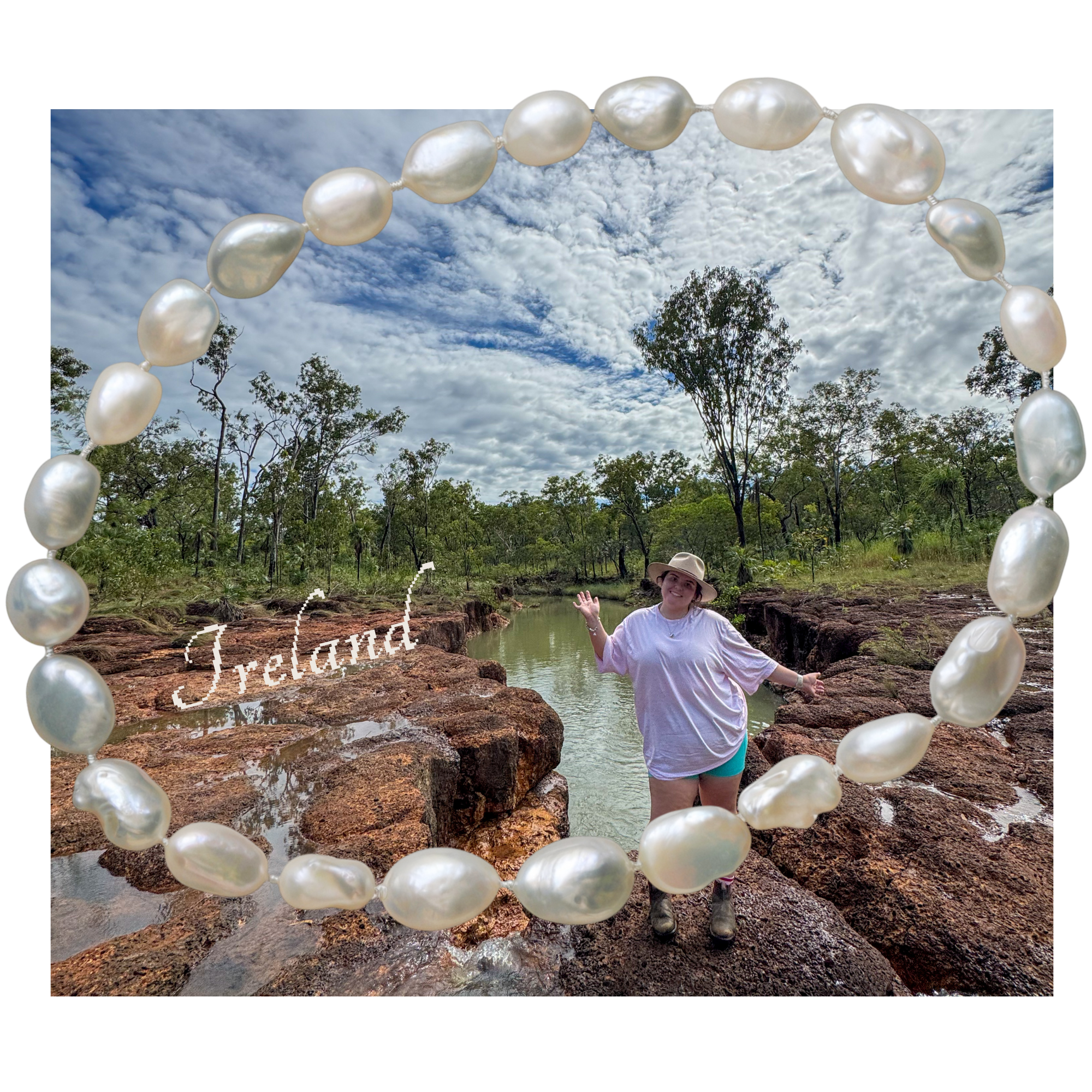
Brianna’s teaching has helped guide me into being a better educator for students with trauma. I’m able to name emotions that I’m feeling and how that would be impacting my teaching ability.
Before Brianna came I knew that I held a lot of power in the calmness of my classroom, but she taught how to use that power to help students be able to recognise how they are feeling and talk about what they need, rather than me telling them what they need. When students are becoming overwhelmed I take a big breath and re-centre myself before guiding them back into a space they can learn in.
Brianna also recognised that not every student learns the same way, which is refreshing in the education system but she used that and offered different suggestions on how to help individual students. Checking in with students is always a priority, but the way we do it has evolved, especially when working in a school with English as a second language.
Some students find it hard to describe their feelings (even at 18), so she created a picture guide to how they are feeling and it takes the pressure off them to describe the emotion. Love every second I get to work with Brianna!
What you’re getting:
Everything you need to bring trauma-informed somatics into the work that matters to you
༄.° 4-day in-person training (valued at $1800)
Immersive, experiential training, facilitated learning, group practice teaching and integration.
༄.° 12 weeks of online training (valued at $1200)
Live workshops, specialist guest teachers, training resources and guided learning across the program.
༄.° 3 months of mentoring post training (valued at $300)
Ongoing support, reflection and guidance as you begin integrating the learning into your work.
༄.° Individualised industry project feedback (valued at $600)
Personalised feedback to help you translate the training into practical applications in your own professional setting.
Total value = $3850
Founding Cohort Price = $2200
First 5 people to apply & pay their deposit get $500 off!
Please note, your accommodation at Krishna Village is booked separately and therefore not included in this price. See below!
Planning your experience
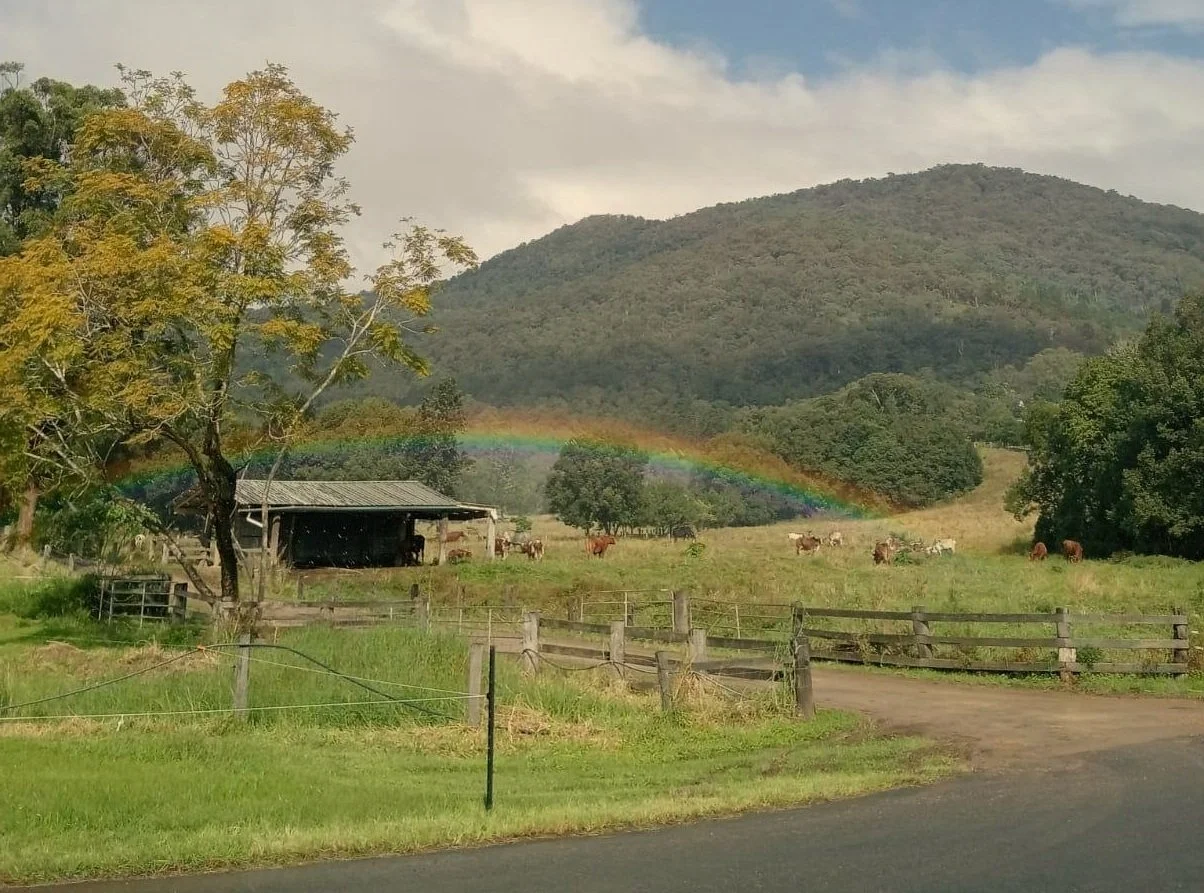
Accommodation is not included in the training fee, so you can choose the option that best suits your budget and how you’d like to experience the retreat. There are a range of accommodation options available at Krishna Village, from more affordable options through to more lush private rooms, which you can book directly here. If you live locally in the Northern Rivers, there is also a commuter option so you can attend the training without staying onsite. Krishna Village is accessible by car, or by flying into the Gold Coast Airport and taking an Uber. Once you’re booked into the training, I’ll help coordinate travel between participants — including suggesting flights from key airports that line up so you can share Ubers from the airport with other participants and keep travel costs down.
The weekly online classes will run between Thursday 15th April until Thursday 1 July 2027. These will be held at 6:15pm until approximately 8:15pm (AEST) for 12 weekly online sessions.
FAQs
-
All trainings are non-refundable. Please enrol wisely. If you can no longer make it, you are welcome to transfer your spot to a friend or family member, or a future training date.
-
Yes! I offer a range of flexible monthly payment plan options. Once you have paid the deposit, reach out to hello@briannaattard.com to access a payment plan.
-
Krishna Village is located near the local town of Murwillumbah. It is a 6 hour drive from Newcastle or an 8 hour drive from Sydney. If driving, I love stopping on the way at Crescent Head or Scotts Head.
If flying, Krishna Village is a 1 hour drive south of Gold Coast Airport. An uber can be booked for around $100 or there are buses/coaches that will drop you to the local town. Once you book, I will send out an email regarding your travel plans. If flying, I can suggest particular flights from the main cities that will link up with other participants flying, so you can ride share an Uber. If you need any support planning your trip, please reach out.
-
Krishna Village has a range of accommodation options, from budget BYO camping, to more luxe lakeview cabins.
I recommend the Cottages, the Lotus Pod or, for something more luxe the Lake View Cabins.
Please note Krishna Village gets busy in Autumn around holidays, so you should book your accommodation at the time of booking your spot on retreat.
You can view your options and book here.
-
April 8 - 11th 2027
We will begin on April 8th around 9.30am, and finish after lunch on Sunday April 11th. -
We will start the first workshop around 9.30am on the Thursday. It can be really nice to get there the night before to settle into the village.
We will wrap up around lunchtime on the Sunday. Again, you are welcome to add an extra night when you book your accommodation if you would like to stay a little longer.
-
All food is pure vegetarian food ~ which means no eggs, but includes dairy. All meals are prepared to accommodate the whole village & ashram at a time, so unfortunately no changes can be made. There is almost always gluten free options. Please reach out if you have any questions.
-
Please bring a notebook & pen, plus whatever else you need to make this a grounded experience.
All mats & props will be provided. Bring comfy clothes & bug spray. If you are staying in a BYO budget camping option, you will need to bring all your bedding & shelter with you. -
Thursday 15 April – Thursday 1 July 2027
6:15pm – approximately 8:15pm (AEST)
12 weekly online sessions. all recorded in case you can’t make it!So the 12 dates are:
15 April
22 April
29 April
6 May
13 May
20 May (rest + integration: no class)
27 May
3 June
10 June
17 June
24 June
1 July
-
The online classes will run from 90 minutes to 2 hours. The personal practice journey will require 10-15 minutes of practice, a few days per week (when you practice is up to you, but they will be guided!)
Towards the end, you will be asked to put together a project outline to present for feedback in the Workshopping For Your Industry session. So, a little extra time will be required for this around the later weeks. -
Look let’s be real. Somatics is an unregulated industry, meaning you could call yourself a Somatic Practitioner and no somatics police would come after you.
But, in case you haven’t realised by now, we are not interested in titles or roles here. We are interested in who we become within the work.
Whether you or not call yourself a Somatic Practitioner relies on your own integrity: what other trainings or development have I done? What is my current style of working? How confident do I feel within this work?
If you are a person chasing a new fancy word for your Instagram bio, then this might not be the place for you.